Address
Willoughby Hills, OH 44092
Work Hours
Monday to
Friday: 7AM
- 7PM
Weekend: 10AM - 5PM
Address
Willoughby Hills, OH 44092
Work Hours
Monday to
Friday: 7AM
- 7PM
Weekend: 10AM - 5PM
The magic of Magnalite lies in its aluminum-magnesium alloy — magnesium increases structural rigidity without sacrificing excellent heat distribution or lightweight handling. Having cooked side-by-side with cheaper cast aluminum pans, I can tell you the difference is real: Magnalite heats faster and more evenly than cast iron, without the weight penalty, while still holding heat respectably once it's up to temperature.
Three things keep me reaching for my Magnalite pieces: they simply cook better, they're nearly indestructible, and they carry a kind of heirloom weight that modern cookware rarely matches. I've met collectors who can identify a piece's era from across a flea market table, and that kind of devotion tells you everything about what this cookware means to people.
Nowhere is this more visible than in Louisiana and the broader South, where Magnalite roasters get passed from grandmother to granddaughter like family heirlooms. Production ended decades ago, but the hunt is part of the fun.
Understanding Magnalite's history isn't just trivia — it's the key to knowing what you're actually buying. The story runs from Wagner Manufacturing Company's founding in Sidney, Ohio, in 1891, through the Depression-era birth of Magnalite, several ownership changes, and finally to the licensed products sold under the name today. Each era left its own fingerprint on the metal.
Wagner Manufacturing Company was founded in 1891 in Sidney, Ohio, by Mathias Wagner and Joseph Altenbach, with sons Milton M., Bernard P., Louis, and William Wagner later steering the company to prominence. Long before Magnalite existed, Wagner had already built its name on premium cast iron skillets and Dutch ovens, going head-to-head with fellow Ohio manufacturer Griswold Manufacturing — a rivalry that vintage cookware enthusiasts still debate today. That reputation for quality iron casting is exactly what gave Wagner the credibility and expertise to pull off something new in aluminum.
Magnalite emerged around 1934, and it wasn't a minor product line extension — it was Wagner's strategic pivot during the Great Depression. Metallurgist R.O. Bingham developed and patented the aluminum-magnesium alloy formula, giving Wagner a lighter, more affordable alternative to cast iron precisely when consumers needed one. The timing made sense on every level: aluminum's lightweight, fast-heating properties suited stretched household budgets and busier kitchens. Even decades later, I'm continually struck by how well these original designs — from handle shape to lid fit — have held up.
Roughly speaking, collectors talk about three eras: Early Wagner (1930s–1950s), Mid-century Wagner (1950s–1969), and the post-1969 General Housewares Corp (GHC) era. The Wagner family's direct involvement ended in 1952, and that's a meaningful quality inflection point — earlier pieces tend to be more thickly cast and tightly controlled in production. Because Magnalite is almost entirely a vintage-market product now, learning to read these era markers is essential to knowing what you actually own.
| Era Name | Approximate Years | Key Identifying Features | Collector Value/Notes |
|---|---|---|---|
| Early Wagner | 1930s–1950s | Thick casting, early script logo | Most sought-after, highest value |
| Mid-century Wagner | 1950s–1969 | Slightly thinner casting, updated logo | Still highly regarded |
| Post-acquisition GHC | 1969 onward | Lighter casting, modernized markings | Usable but less prized |
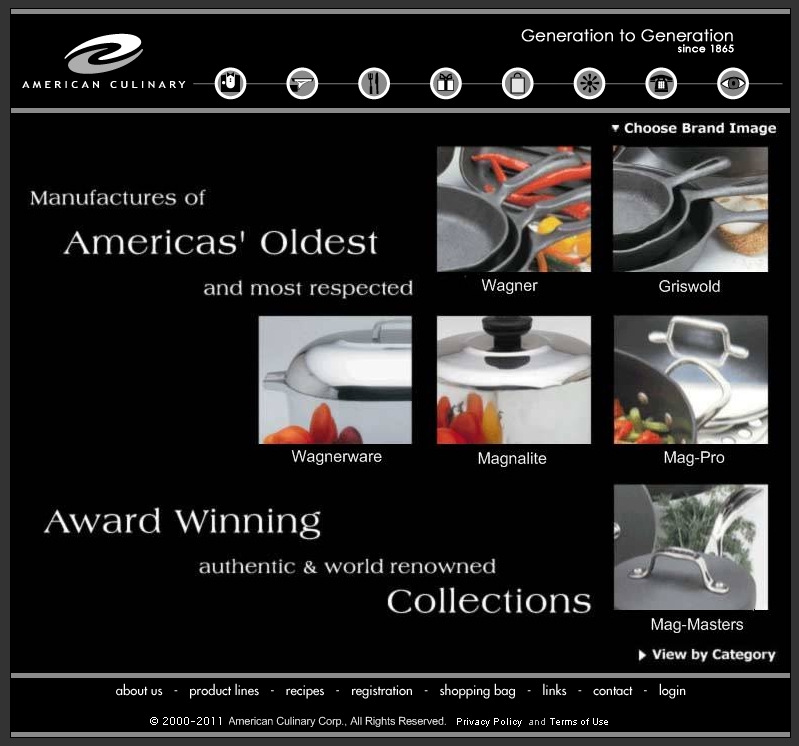
In 1969, General Housewares Corp (GHC) acquired the Wagner brand and eventually introduced Magnalite Professional, a hard-anodized line distinct from the original alloy cookware. The brand later passed to American Culinary Corporation, which continued producing Magnalite-branded cookware as recently as 2014. I'll be direct: GHC-era pieces aren't equivalent in casting quality to original Wagner Ware, though they're still functional cookware. The takeaway for buyers is simple — the Magnalite name alone doesn't guarantee vintage-level quality.
The original Wagner Ware website at wagnerware.com is no longer active today. If you want to see how it looked and browse the product catalog from when the brand was still online, the Internet Archive preserves a snapshot from March 2024: view wagnerware.com on the Wayback Machine.



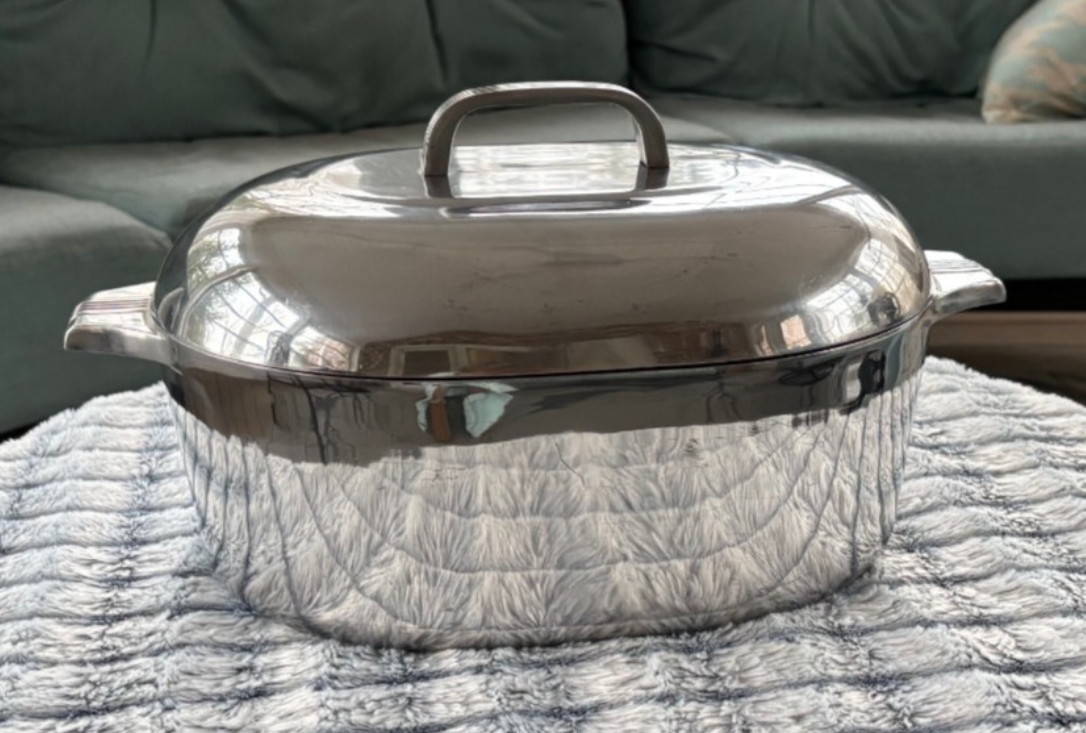
The oval roaster's tight-fitting, self-basting lid is especially prized for slow-roasting large cuts and holiday turkeys. Expect to pay $40–120+ depending on size and condition. Both the Dutch oven and roaster move confidently from stovetop to oven.
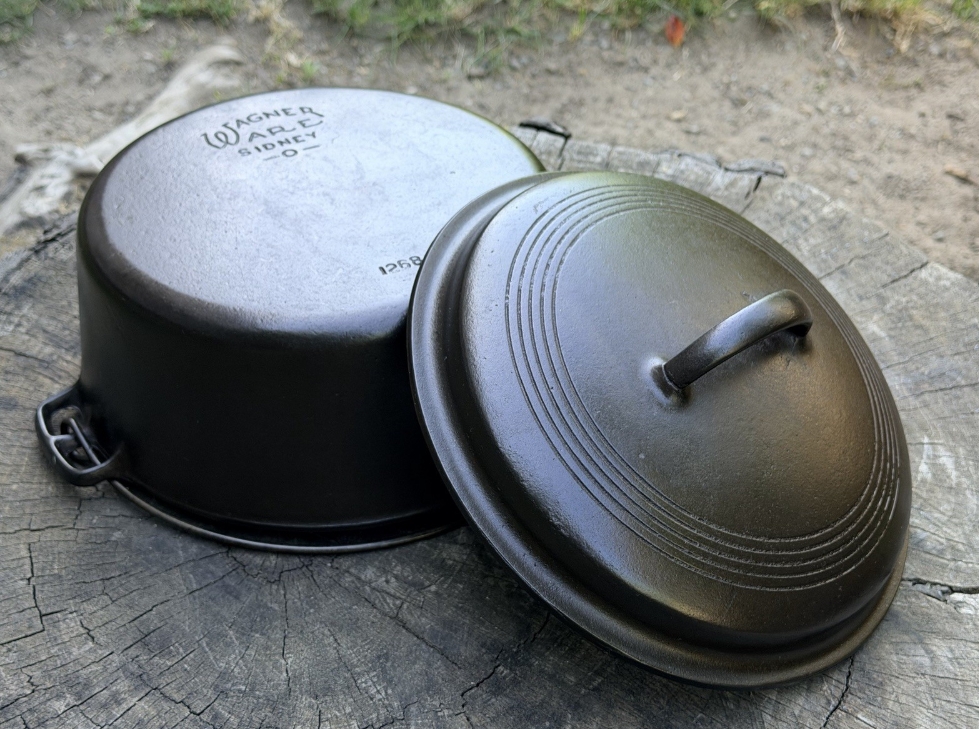
Chicken fryers and Dutch ovens typically run $30–80 and excel at gumbo, étouffée, jambalaya, and slow braises. Worth noting: older Bakelite handles have oven temperature limits.
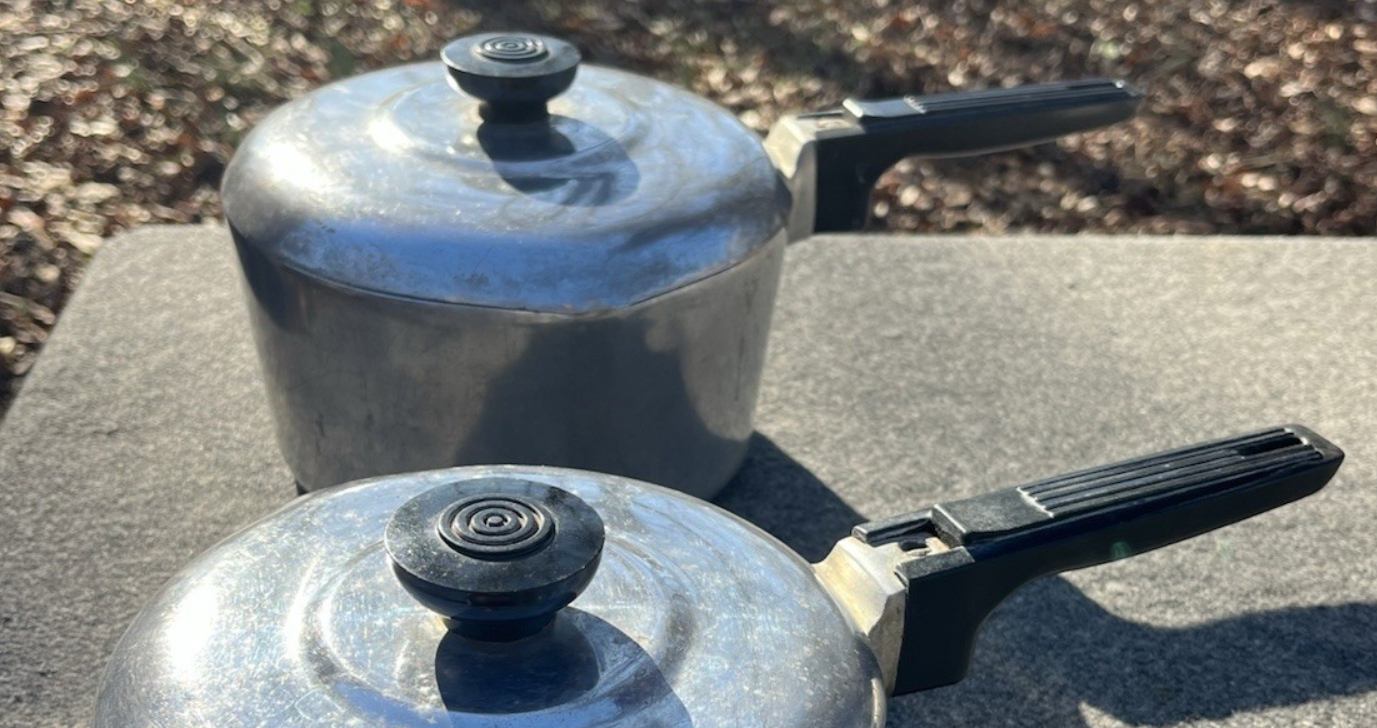
Small saucepans run $15–40, while complete sets can reach $100–300+ depending on era and completeness. Antique stores are convenient but marked up; eBay and Etsy offer wide selection but demand real authentication knowledge.
I've made my share of authentication mistakes over the years — including one embarrassing near-purchase I'll get to shortly — and I'm passing those lessons on so you don't repeat them. Knowing how to read markings, spot casting differences, and catch red flags protects you from overpaying for a piece that isn't what it claims to be.
Turn the piece over and look for "Wagner Ware" in script, along with "Sidney, O." or "Sidney, Ohio," a model number, and a size designation. The script style itself evolved across eras, which helps with dating. One bonus tip that's rewarded me at estate sales: Wagner also sold cookware under names like National, Long Life, Wardway, and Ward's Cast Iron — genuine Wagner quality hiding under a different label that most shoppers walk right past.
I once nearly bought a GHC-era piece thinking it was original — what tipped me off was the noticeably thinner, lighter casting once I actually lifted it. Beyond weight, look closely at logo style, handle and knob shape, and lid fit and finish.
The most serious red flag is a structural casting crack — that's an unfixable deal-breaker, full stop. Deep pitting, warped bottoms (especially problematic on glass-top ranges), missing lids, and replaced handles all warrant caution too. Light surface oxidation and staining, on the other hand, are cosmetic and fixable. I've also noticed plenty of eBay and Etsy mislabeling, so don't take era claims at face value.
Deal-breaker:
Fixable:
"Magnalite has an almost cult-like following throughout Louisiana and the broader South, where it's the preferred vessel for gumbo, étouffée, jambalaya, and holiday turkeys, often passed down through generations."
"I've met collectors who can identify a piece's era from across a flea market table, and that kind of devotion tells you everything about what this cookware means to people."
"That first Magnalite roaster I picked up at an estate sale years ago is still in my kitchen today, still doing its job better than pans a fraction of its age."
This is the question I get most from new owners, and it's a fair one worth taking seriously. My answer, based on both research and years of daily use, is a confident yes with a few caveats.
Aluminum Cookware Safety: Let's name the fear directly: many people worry about a link between aluminum cookware and Alzheimer's disease. Current scientific consensus does not support that connection, and the FDA considers dietary aluminum from cookware a negligible contributor to overall intake. The one honest caveat is that acidic foods cooked for extended periods in bare, unseasoned aluminum can absorb trace amounts of metal — a real but minor consideration that a properly seasoned piece largely eliminates.
My Personal Verdict: Yes, Wagner Ware Magnalite is safe for everyday cooking when properly seasoned and maintained. Original pieces aren't anodized, but they develop a naturally protective oxidized patina over time — whereas the newer Magnalite Professional line uses hard anodization to create a non-reactive surface from the start. I've simmered plenty of tomato-based sauces in seasoned vintage Magnalite with zero metallic taste.
5 Best Practices for Safe Everyday Use:
Seasoning is every bit as important for Magnalite as it is for cast iron, and it's the single biggest factor separating owners who love their pieces for decades from those who accidentally ruin them.
My Step-by-Step Seasoning Process: Seasoning builds a protective, polymerized oil layer that improves non-stick performance over time, and it works because of aluminum's excellent heat conductivity and natural corrosion resistance.
Everyday Cleaning: Never put Magnalite in the dishwasher — I learned this the hard way after a well-meaning family member ran a treasured roaster through a cycle and stripped its seasoning bare. Stick to warm water, mild soap, and a soft sponge; skip steel wool entirely. For light oxidation and discoloration, a cream of tartar or white vinegar solution works well, and some discoloration simply becomes part of the piece's character. I've personally restored pieces that looked completely hopeless — heavily oxidized, dull, neglected for years — through deep cleaning, oxidation removal, gentle polishing, and re-seasoning. Almost any piece can be brought back.
6 Storage Best Practices:
Cooking with a well-seasoned piece of Magnalite is a genuinely different experience from using generic cookware — the heat behaves predictably, and after years of use I've learned exactly how to get the most out of it. Because Magnalite distributes heat so efficiently, medium or medium-low heat is almost always enough — cranking it up leads to sticking and scorching. It works beautifully on gas, electric, and most smooth-top ranges, but it is not induction-compatible, which is worth knowing before you invest in a piece. It shines with slow braises, roasts, soups, stews, and fried chicken, and the oval roaster's self-basting lid design is ideal for large cuts. My early mistakes were classic beginner errors: heat too high, an under-seasoned pan, aggressive metal utensils, and shocking a hot pan with cold water.
Magnalite has an almost cult-like following throughout Louisiana and the broader South, where it's the preferred vessel for gumbo, étouffée, jambalaya, and holiday turkeys, often passed down through generations. The oval roaster's tight-fitting, self-basting lid is especially prized for slow-roasting large cuts. Both the Dutch oven and roaster move confidently from stovetop to oven, though it's worth noting older Bakelite handles have oven temperature limits. This regional devotion explains a lot of Magnalite's passionate following well beyond its raw specifications.
I own and regularly use cast iron, stainless steel, and modern non-stick alongside my Magnalite, so this comparison comes from real daily use rather than brand loyalty. Against cast iron, Magnalite wins on weight, heat-up speed, and ease of cleaning, while cast iron wins on heat retention, searing, and induction compatibility — I reach for Magnalite for braises and cast iron when I need a hard sear. Against modern hard-anodized aluminum from brands like Calphalon or All-Clad, today's pans offer more predictable non-stick behavior, but vintage Magnalite often has thicker casting and proven longevity with genuine heritage character. Against stainless steel, that material wins on non-reactivity and induction/dishwasher compatibility, but poorly made stainless pans suffer from hot spots that Magnalite simply doesn't have.
| Feature | Wagner Ware Magnalite | Cast Iron | Hard-Anodized Aluminum | Stainless Steel |
|---|---|---|---|---|
| Weight | Light | Heavy | Light | Medium |
| Heat Distribution | Excellent | Good | Very Good | Fair-Good |
| Heat Retention | Moderate | Excellent | Moderate | Moderate |
| Non-Stick (seasoned) | Very Good | Very Good | Good | Poor |
| Maintenance | Moderate | High | Low | Low |
| Induction Compatible | No | Yes | Varies | Yes |
| Price Range | Moderate (vintage) | Wide | Moderate-High | Wide |
| Best For | Braises, roasts | Searing, retention | Everyday non-stick | Sauces, acidic foods |
If you want to go deeper, a few resources have shaped my own understanding: Carroll Gantz's Founders of American Industrial Design (McFarland, 2014), Juliet Kinchin and Aidan O'Connor's Counter Space (MoMA, 2011), Joanna Pruess's Griswold and Wagner Ware Cast Iron Cookbook (Skyhorse, 2009), Rich Wallace's piece on Wagner Manufacturing Company at Shelbycountyhistory.org, and WorthPoint for ongoing price research.
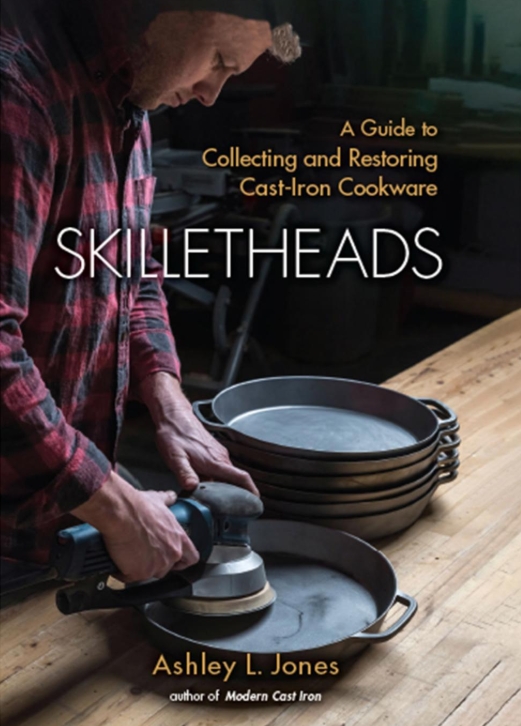
Skilletheads: A Guide to Collecting and Restoring Cast-Iron Cookware
By Ashley L. Jones
An excellent companion for anyone collecting vintage American cookware, including Wagner Ware pieces alongside Griswold and other Ohio foundries.
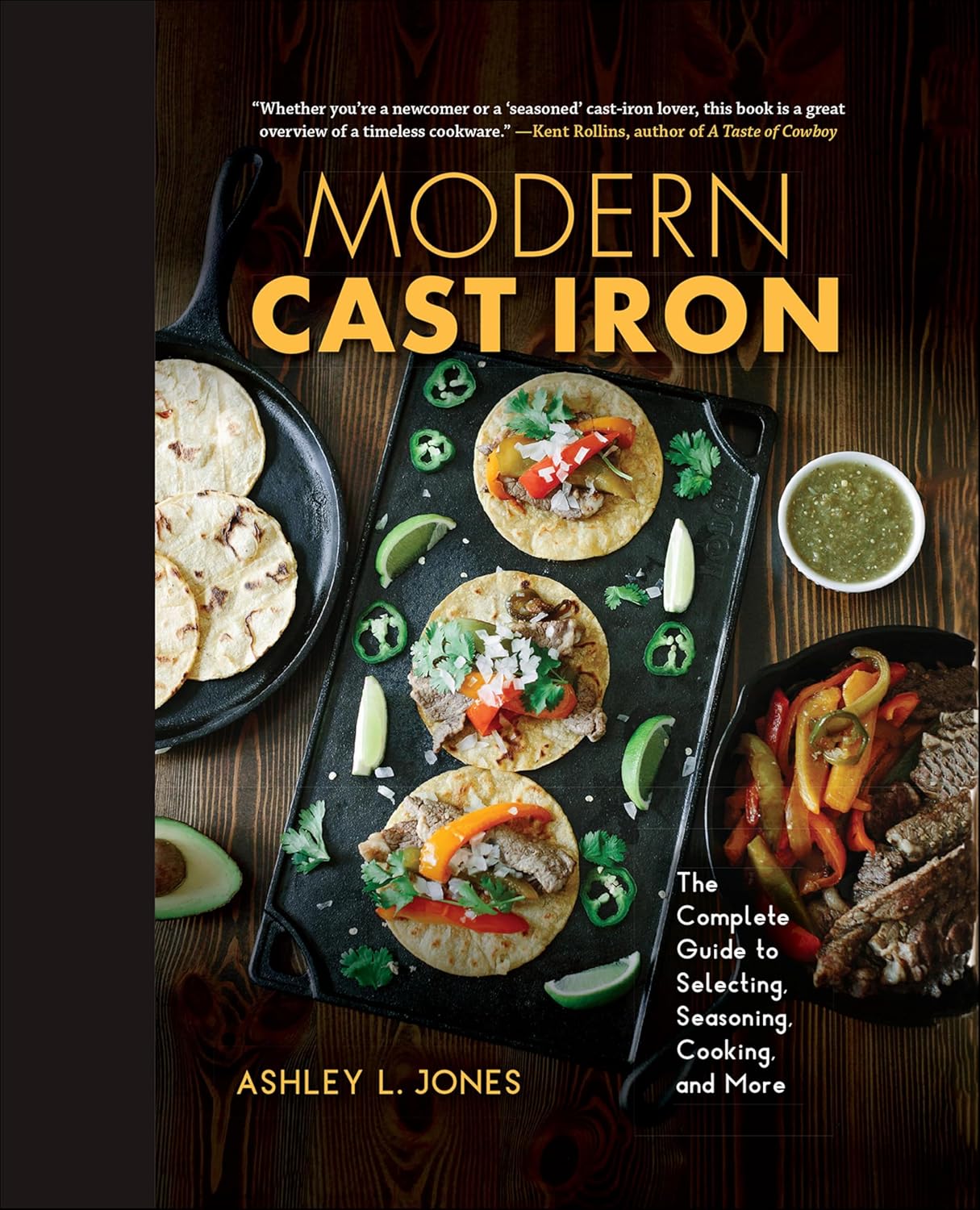
A comprehensive guide to all things cast iron and home-style cooking with all-natural tools and ingredients: "a great overview of a timeless cookware"
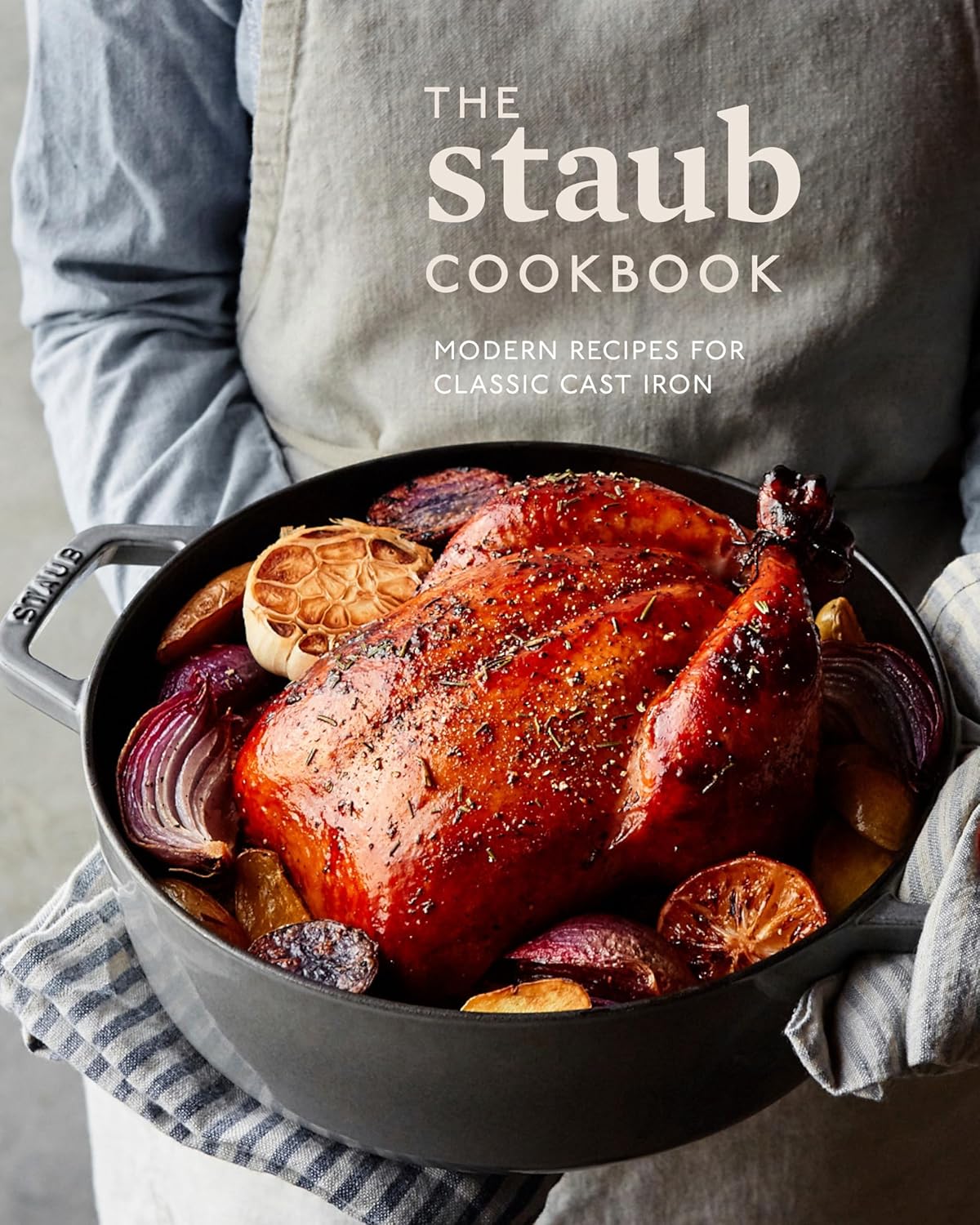
A beautiful love letter to the enameled cast-iron cookware, with 100 achievable, modern recipes from top chefs and bloggers from around the country.
Performance, durability, and irreplaceable design heritage — that's the whole case for Magnalite in three words. If you have a Magnalite piece with a story — whether it came from your grandmother's kitchen in Louisiana or a $12 find at a country estate sale — I'd love to hear about it in the comments below.
Wagner Ware Magnalite is a cast aluminum-magnesium alloy cookware line made by Wagner Manufacturing Company starting in the 1930s. The magnesium addition improves structural strength and heat distribution beyond what standard cast aluminum offers. See "What Is Wagner Ware Magnalite?" for more.
Yes, it's safe for everyday use when properly seasoned. Scientific consensus doesn't support aluminum-Alzheimer's links, and the FDA considers cookware-based aluminum intake negligible. Prolonged acidic cooking in unseasoned aluminum is the only real caveat. Full details in "Is Wagner Ware Magnalite Safe to Use?"
Values range roughly from $15 for small saucepans to $300+ for complete sets, depending on era, condition, and completeness. Check WorthPoint's sold-price database for accurate benchmarks. See "Where to Buy Wagner Ware Magnalite Today" for full pricing guidance.
Hand wash only with mild soap and a soft sponge — never the dishwasher, which strips seasoning. Address light oxidation with cream of tartar or vinegar, and re-season periodically. Full process in "How I Season and Clean My Wagner Ware Magnalite."
Vintage Wagner Ware is worth seeking out for its casting quality and heritage; newer Magnalite-branded products are decent but not equivalent. I recommend vintage for the authentic experience. See "Where to Buy Wagner Ware Magnalite Today."
Magnalite is significantly lighter and heats up faster than cast iron pieces like Le Creuset, though cast iron retains heat longer and sears better. Both excel at different tasks. Full comparison in "Wagner Ware Magnalite vs. Modern Cookware."
Wagner Manufacturing Company was founded in 1891 in Sidney, Ohio. Original Wagner-era Magnalite production effectively ended after the 1969 General Housewares Corp acquisition. See "The History of Wagner Ware Magnalite" for the full timeline.